Installing a new fence is one of the best ways to improve privacy, security, property value, and curb appeal. Whether you want to protect your yard, create a safer outdoor space for children and pets, or upgrade your home’s appearance, understanding the fence installation process helps homeowners prepare for a smoother experience. At New Generation Landscaping & Fence, many property owners ask what happens before, during, and after installation day. Knowing each step ahead of time can reduce stress and help avoid unexpected delays or problems.
A professional fence installation project involves much more than placing panels into the ground. Contractors must evaluate property lines, prepare the site, choose proper materials, and ensure the installation complies with local regulations. Working with experienced professionals helps ensure your fence lasts for many years while improving the overall appearance of your property.
Initial Consultation and Property Evaluation
The first stage of professional fence installation begins with a property inspection and consultation. Contractors discuss the homeowner’s goals, preferred materials, fence height, style options, and overall project budget. This is also when measurements are taken and property boundaries are reviewed carefully.
Homeowners often choose between different fencing materials depending on maintenance preferences and appearance goals. Some prefer durable vinyl fences because they resist moisture and require minimal upkeep, while others may choose decorative or security focused metal fences for added strength and long term durability.
Professional contractors also check for slopes, drainage issues, underground utility lines, and obstacles that could affect installation.
Choosing the Right Fence Design
Fence design plays a major role in both functionality and curb appeal. The right fence should complement the property layout while meeting practical needs such as privacy, pet safety, or decorative enhancement.
Modern residential properties often combine fencing with professional Landscaping improvements to create a cleaner and more attractive outdoor appearance. Homeowners may also coordinate fence projects with Landscape Design and Installation services to fully upgrade backyard spaces, walkways, and lawn areas at the same time.
Selecting the right style early in the process helps avoid project delays and ensures materials are ordered correctly.
Preparing the Property Before Installation
Before installation day arrives, homeowners should prepare the work area by removing outdoor furniture, toys, vehicles, and other obstacles near the fence line. Contractors may also recommend trimming grass or clearing overgrown vegetation to improve site access.
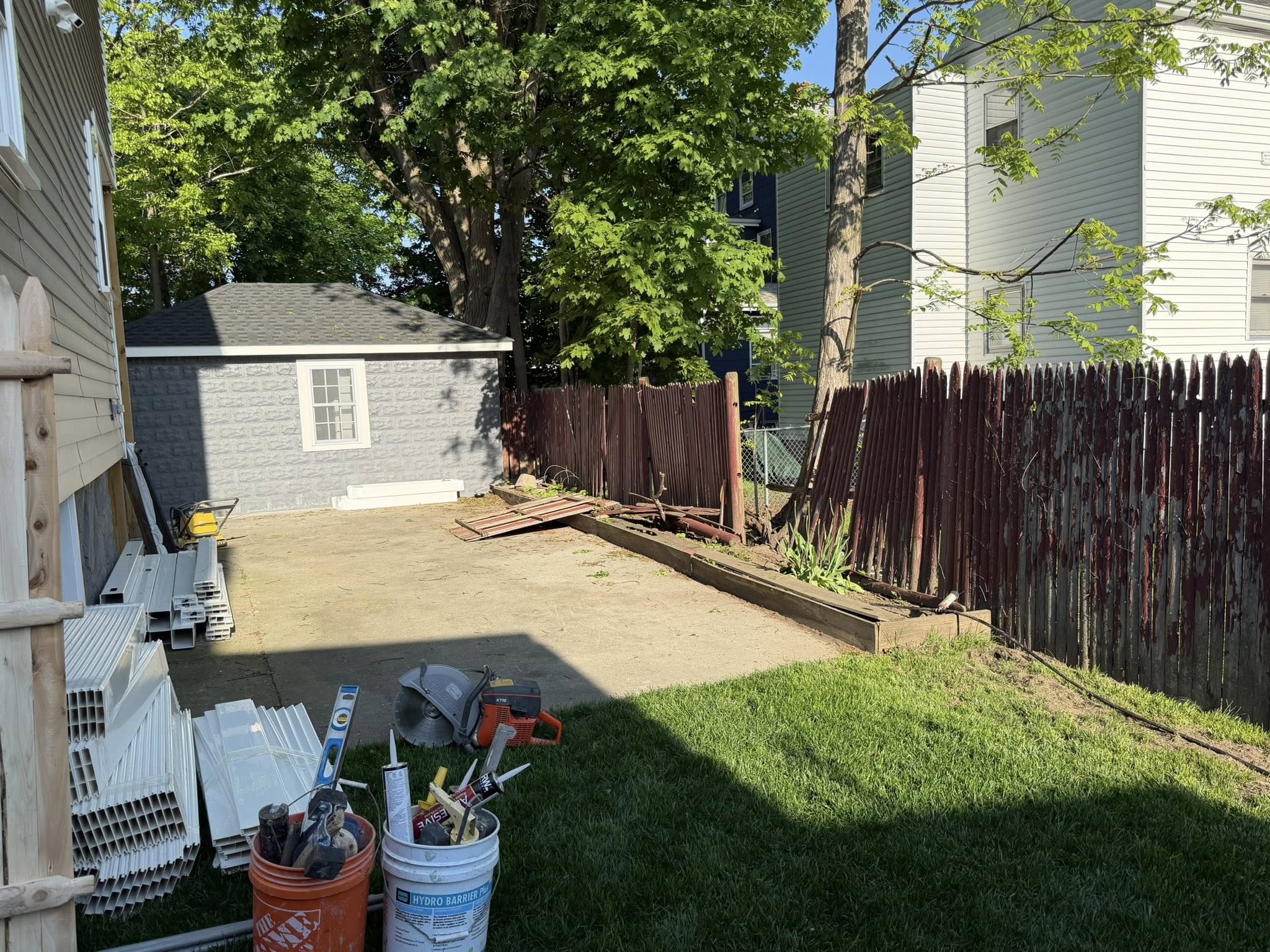
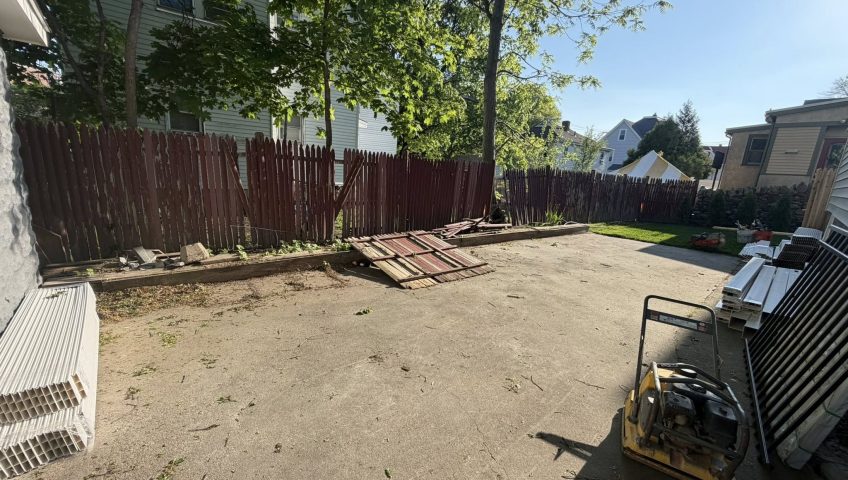
In some cases, older fences, damaged posts, or debris must be removed before installation begins. Utility companies may also mark underground gas, water, or electrical lines to prevent accidental damage during digging.
Proper preparation helps the installation crew work more efficiently and safely throughout the project.
Fence Post Installation and Ground Preparation
One of the most important parts of fence installation is setting the fence posts correctly. Contractors dig post holes at precise depths to ensure long term stability and structural strength. The spacing between posts must also remain consistent for proper panel alignment and appearance.
Concrete is commonly used to secure posts and create a strong foundation that can withstand weather changes, soil movement, and seasonal temperature shifts. Poorly installed posts are one of the most common reasons fences lean or fail prematurely.
For properties with uneven ground or drainage issues, additional grading or soil preparation may be necessary before installation continues.
Installing Fence Panels and Gates
Once the posts are fully secured, contractors begin attaching fence panels, rails, gates, and finishing hardware. This stage moves quickly compared to the initial preparation work, but attention to detail remains extremely important.
Gates must align properly to open and close smoothly without dragging or shifting over time. Contractors also inspect spacing, height consistency, and overall structural balance throughout the installation process.
Below is a simple overview of the typical fence installation timeline.
| Installation Stage | What Happens | Estimated Timeline |
|---|---|---|
| Consultation and Measurement | Property evaluation and design planning | 1 Day |
| Site Preparation | Removing obstacles and marking utilities | 1 Day |
| Post Installation | Digging and securing fence posts | 1-2 Days |
| Panel and Gate Installation | Installing fence sections and hardware | 1-2 Days |
| Final Cleanup and Inspection | Quality check and debris removal | Same Day |
Cleanup and Final Inspection
After installation is completed, professional contractors clean the work area thoroughly by removing leftover materials, debris, packaging, and tools. A final walkthrough is then completed with the homeowner to confirm the fence meets project expectations.
During this stage, contractors may also provide maintenance recommendations depending on the fencing material selected. Proper maintenance helps extend the lifespan of the fence while protecting its appearance over time.
Many homeowners also use this opportunity to improve surrounding yard areas with services like Sod Installation to restore grass damaged during construction or create a cleaner finished landscape.
How Long Does Fence Installation Usually Take
Most residential Fences projects are completed within several days depending on property size, material type, weather conditions, and terrain complexity. Larger properties or custom fence designs may require additional time for preparation and installation.
Weather delays, permit approvals, and underground utility complications can also affect the overall timeline. Hiring experienced professionals helps minimize delays and ensures the project remains organized from start to finish.
Why Professional Fence Installation Matters
A professionally installed fence provides more than just privacy. It improves safety, increases property value, enhances curb appeal, and creates a more functional outdoor environment for homeowners and families.
Improper installation can lead to leaning posts, drainage problems, unstable gates, and expensive future repairs. Working with experienced contractors ensures the fence is installed correctly, aligned properly, and built to withstand changing weather conditions for years to come.
Frequently Asked Questions
How long does professional fence installation take?
Most residential fence installations are completed within two to five days depending on project size, weather conditions, and fence material.
Do I need to be home during fence installation?
Homeowners do not always need to remain home during installation, but contractors may need access to outdoor areas and utility information during the project.
What type of fence requires the least maintenance?
Vinyl fences are considered one of the lowest maintenance options because they resist moisture, fading, and insect damage.
Can fence installation damage my lawn?
Minor lawn disruption may occur during digging and installation, but professional contractors usually minimize damage and clean the area afterward.
Why is professional fence installation better than DIY installation?
Professional installation ensures proper post depth, structural alignment, code compliance, and long term durability while reducing the risk of costly mistakes.
