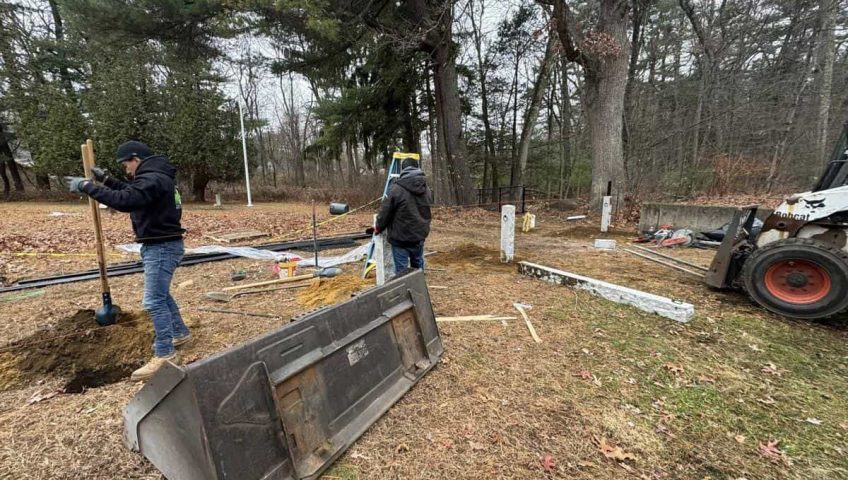
A leaning fence post is one of the most common problems homeowners face with residential fencing. Many people assume that fixing a leaning post always requires digging it out and reinstalling it, but that is not always necessary. In many cases, leaning fence posts can be stabilized using modern repair techniques that save time, reduce labor costs, and minimize damage to surrounding landscaping. This guide explains easy DIY methods as well as professional repair options while covering important gaps that many competitor articles miss such as soil pressure, seasonal ground movement, and long term structural reinforcement methods.
Fence posts usually lean because of soil erosion, poor initial installation depth, excessive moisture, frost heave during winter, or natural ground shifting over time. Understanding the root cause is important before choosing a repair method because fixing only the symptom may lead to future leaning again. Homeowners investing in long term Fences maintenance should focus on stabilizing soil structure along with reinforcing the post itself.
Why Fence Posts Lean Over Time
Fence posts are constantly under pressure from soil movement, wind force, and moisture expansion. In colder climates, freeze and thaw cycles can push posts out of alignment. In rainy areas, soil becomes soft and loses its grip on the post base. Poor drainage around fence lines is another major cause of leaning posts that many guides fail to mention. Posts installed without proper gravel drainage layers often shift faster because water collects around the base, weakening soil support.
Property owners who regularly maintain Landscaping and drainage systems often see fewer fence post movement issues because soil structure remains more stable throughout seasonal changes.
Easy DIY Methods to Fix a Leaning Fence Post Without Digging
Homeowners can often repair minor leaning posts using simple tools and reinforcement methods. One common method is using metal fence post repair stakes. These stakes are driven into the ground next to the leaning post and attached using brackets or screws. This method works well for wood and vinyl fence posts when the base is still structurally intact.
Another method involves using expanding foam designed for fence post stabilization. This material fills soil gaps and hardens around the post base, creating additional support. It is fast and requires minimal labor but should be used only when soil erosion is the main problem rather than post rot.
Post straightening kits are another popular solution. These kits include heavy duty brackets and anchor spikes that hold the post in correct alignment. This method is often used for Gates and Enclosures where proper alignment is essential for smooth operation and security.
When DIY Fence Post Repair Is Not Enough
Some leaning fence posts require professional repair. If the post base is rotting, cracked, or severely loose, surface reinforcement will not provide long term stability. Posts leaning more than a few inches off vertical alignment usually indicate deeper soil or foundation problems.
Professional repair services often use ground anchoring systems, concrete injection stabilization, or partial post replacement techniques. These advanced repair methods allow technicians to fix fence posts without removing entire fence sections, which reduces labor time and preserves surrounding landscaping features such as Driveways and garden beds.
Homeowners who want reliable long term repair solutions often work with experienced contractors such as New Generation Landscaping & Fence for structural fence stabilization and post reinforcement services.
Comparison of Leaning Fence Post Repair Methods
| Repair Method | Best For | Difficulty Level | Longevity |
|---|---|---|---|
| Metal Repair Stakes | Minor leaning posts | Easy DIY | Medium to Long Term |
| Expanding Foam Stabilization | Soil gap or erosion issues | Easy DIY | Medium Term |
| Post Straightening Kits | Gate posts or alignment repairs | Moderate | Long Term |
| Professional Ground Anchoring | Severe leaning or structural damage | Professional Required | Longest Term |
Preventing Fence Posts From Leaning Again
Prevention is often more cost effective than repeated repairs. Proper drainage around fence lines helps prevent soil softening. Installing gravel base layers during fence installation improves water flow away from posts. Regular inspection after heavy storms or snow melt can help identify early movement before it becomes severe.
Property owners who maintain Gardening areas and soil grading near fence lines often reduce moisture buildup that weakens post stability. Routine property maintenance and Weeding also prevent root growth that may disturb fence post positioning over time.
When to Call Professional Fence Repair Services
Professional help is recommended when multiple posts are leaning, when fences are attached to structural elements like decks or retaining walls, or when posts are installed in clay or loose soil conditions. Professional contractors evaluate soil density, moisture retention, and structural load before selecting repair methods.
Customers looking for professional fence repair or full fence replacement can contact New Generation Landscaping and Fence for expert inspection and repair services. The company provides fence stabilization solutions designed to prevent repeat leaning problems and extend fence lifespan. New Generation Landscaping and Fence also helps property owners plan seasonal fence maintenance schedules and repair strategies.
FAQ About Fixing Leaning Fence Posts
Can a leaning fence post be fixed without digging?
Yes many minor leaning posts can be repaired using reinforcement stakes or stabilization foam.
How long does a fence post repair last?
Depending on method and soil condition repairs can last from several years to over a decade.
Is expanding foam strong enough for fence repair?
It works well for soil gap stabilization but may not fix severe structural damage.
What causes fence posts to lean the most?
Poor drainage, shallow installation depth, soil erosion, and freeze thaw ground movement.
Is professional repair worth the cost?
Yes when structural damage exists professional repair often prevents full fence replacement costs.
References
United States Department of Agriculture Soil Stability Resources
Federal Emergency Management Agency Ground and Structural Safety Guidelines
