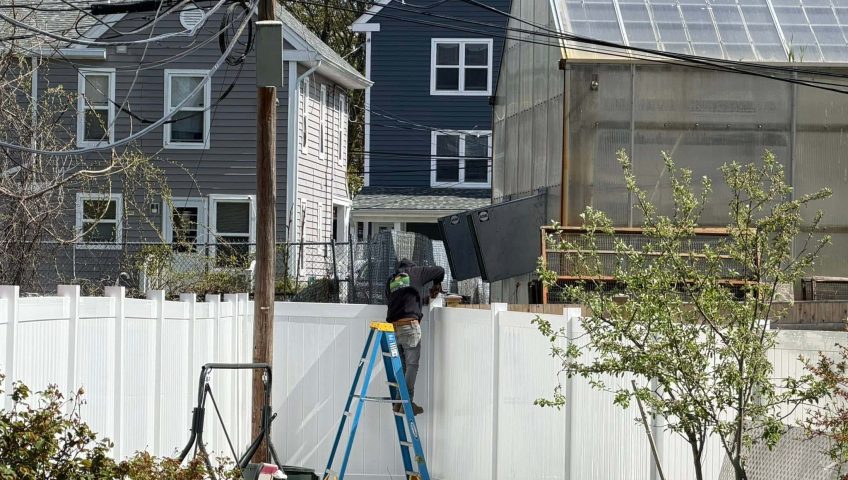
Installing a new fence can improve privacy, security, and curb appeal for your property. However, many homeowners begin fence projects without checking local permit requirements or zoning laws first. In many cities and towns, failing to follow local regulations can lead to fines, delays, or even having to remove the fence entirely.
Whether you are planning vinyl fences, metal fences, or a complete landscape upgrade, understanding the legal requirements before construction begins is essential. Homeowners throughout Massachusetts should always research local codes and permit rules before starting any fence installation project.
Do You Need a Permit to Install a Fence?
In many areas, homeowners are required to obtain permits before building a fence. Permit requirements usually depend on factors such as fence height, location, material type, and property zoning.
For example, some towns allow backyard fences up to six feet tall without permits, while front yard fences may have stricter limitations. Certain neighborhoods may also regulate vinyl fences or decorative metal fences to maintain a consistent appearance throughout the community.
If you skip the permit process, local authorities may issue violations or require changes after the fence is already installed. Before beginning any Fence Installation Massachusetts project, it is always smart to contact your local building department.
Property Line & Boundary Regulations
One of the most important parts of fence installation is identifying the correct property boundary. Installing a fence on a neighbor’s property — even slightly — can create expensive disputes and legal complications.
Before installation, homeowners should:
- Review property surveys
- Confirm exact boundary lines
- Check local setback requirements
- Discuss plans with neighbors when necessary
Many municipalities require fences to remain a certain distance away from roads, sidewalks, easements, or neighboring properties. These setback rules vary depending on zoning regulations and property type.
Professional contractors who specialize in fence installation and landscaping services can help homeowners avoid costly placement mistakes.
Fence Height Restrictions
Fence height regulations are among the most common rules homeowners encounter. Most residential areas have different height restrictions for front yards and backyards.
Typical regulations include:
- Front yard fences: 3–4 feet
- Backyard privacy fences: 6–8 feet
Corner lots may have additional visibility requirements to ensure drivers and pedestrians can safely see approaching traffic. Some municipalities also regulate decorative lattice extensions and solid privacy panels.
Understanding these rules ahead of time can prevent permit denials or mandatory modifications after installation.
HOA Rules & Neighborhood Guidelines
If your property belongs to a homeowners association (HOA), you may need approval before building a fence, even if your city permit has already been approved.
HOAs often regulate:
- Fence materials
- Fence colors
- Fence styles
- Fence placement
- Fence height
Some communities only allow certain styles of vinyl fences or prohibit chain-link fencing entirely. Others may require homeowners to match neighboring properties for visual consistency.
Before purchasing materials or scheduling installation, homeowners should carefully review all HOA guidelines.
Utility Lines & Easement Restrictions
Underground utilities and easements are commonly overlooked during fence planning. Installing fence posts near electrical, gas, sewer, or water lines can create serious safety risks.
Before digging, homeowners should contact local utility marking services to identify underground lines. In the United States, calling 811 is often required before excavation work begins.
Homeowners should also avoid installing fences inside utility easements unless specifically approved by local authorities. Utility companies may require future access to these areas.
This is especially important when combining fence projects with landscaping upgrades, landscape design and installation work, or sod installation projects.
Fence Permit Costs & Inspection Requirements
Fence permit fees vary depending on the city, town, and project size. In many cases, permit costs range from $50 to several hundred dollars.
Some municipalities may also require:
- Site plans
- Property surveys
- Inspection appointments
- Contractor license information
After installation, inspectors may visit the property to confirm the fence complies with approved plans and local building codes. Completing inspections properly can help protect homeowners from future violations.
Common Fence Code Violations
Many fence-related problems occur because homeowners are unaware of local laws and regulations. Some of the most common violations include:
- Building over property lines
- Exceeding local height limits
- Blocking visibility near intersections
- Installing fences inside easements
- Failing to obtain permits
- Using prohibited materials
Correcting these mistakes after installation can become expensive and time-consuming. Proper planning is usually far more affordable than dealing with penalties later.
Why Professional Fence Installation Matters
While some homeowners attempt DIY fence projects, working with experienced professionals can simplify the permit and planning process. Contractors familiar with Fence Installation Massachusetts regulations understand local zoning laws, setback requirements, and inspection procedures.
Professional installers can help:
- Verify local regulations
- Assist with permit applications
- Ensure proper fence placement
- Identify underground utility concerns
- Reduce installation errors
Whether homeowners choose vinyl fences, metal fences, or decorative privacy fencing, experienced contractors can help ensure the project meets all local code requirements.
Landscaping Considerations During Fence Installation
Fence projects often go hand in hand with landscaping improvements. Many homeowners upgrade their outdoor spaces with landscaping services, landscape design and installation, or sod installation after completing a new fence.
Planning these projects together can improve backyard functionality and overall curb appeal. However, homeowners should ensure landscaping plans also comply with drainage rules, easement restrictions, and property boundaries.
Combining fencing and landscaping projects strategically can create a more attractive and organized outdoor environment while avoiding unnecessary future changes.
Final Thoughts
Installing a fence involves more than choosing materials and digging post holes. Local regulations, permit requirements, property line laws, and HOA rules all play an important role in ensuring your project is completed safely and legally.
Before starting any fence or landscaping project, homeowners should research local requirements carefully. Whether you are planning vinyl fences, metal fences, landscape improvements, or sod installation, understanding local laws ahead of time can help protect your investment and prevent costly mistakes.
Frequently Asked Questions
Do I need a permit to install a fence in Massachusetts?
In many Massachusetts cities and towns, homeowners may need permits depending on fence height, location, and material type. It is always best to contact your local building department before installation.
How close can a fence be to my property line?
Property line setback rules vary by municipality. Some areas allow fences directly on the property line, while others require several inches or feet of clearance.
Are vinyl fences allowed in all neighborhoods?
Not always. Some HOAs and municipalities regulate fence materials, colors, and styles. Homeowners should review local regulations before purchasing fencing materials.
What happens if I install a fence without a permit?
Installing a fence without required permits may result in fines, stop-work orders, or mandatory fence removal depending on local regulations.
Should I hire professionals for fence installation?
Professional fence contractors understand local permit requirements, zoning laws, and installation standards, which can help homeowners avoid costly mistakes and delays.
