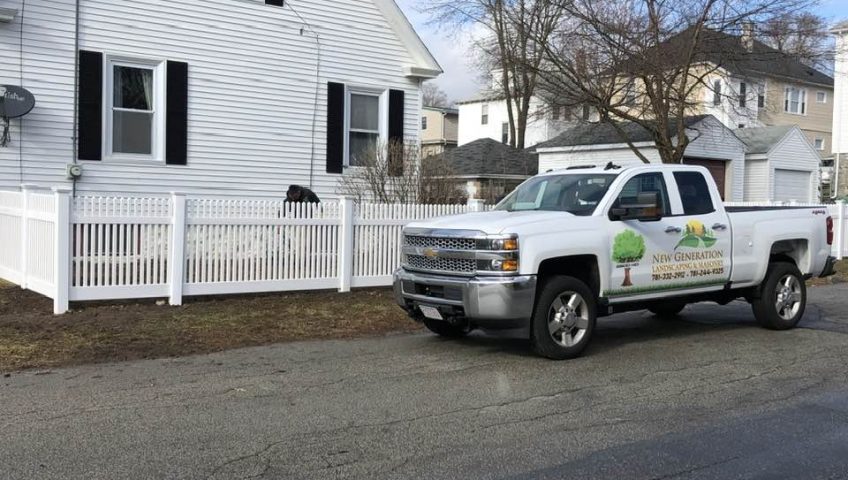
When it comes to protecting your pets, choosing the right fence installation Massachusetts solution is one of the most important decisions you can make. At New Generation Landscaping & Fence, we understand that your pets are family, and a properly installed fence ensures they stay safe while enjoying outdoor freedom. A well-designed fence not only prevents escapes but also keeps unwanted animals out, creating a secure environment for your furry companions.
Why Pet Owners Need a Secure Fence
A fence is more than just a boundary. It is a safety system that protects pets from traffic, strangers, and other animals. Many competitor guides focus only on materials, but they often miss the importance of customization based on pet behavior. Dogs that jump, dig, or chew require different fencing solutions. Without proper planning, even a high-quality fence can fail.
A secure fence also gives pets the freedom to exercise, which improves their physical and mental health. This balance of safety and freedom is what makes fence installation essential for responsible pet ownership.
Best Fence Types for Pet Safety
Choosing the right material is crucial. Below is a comparison of popular fence types to help you decide:
| Fence Type | Best For | Pros | Cons |
|---|---|---|---|
| Vinyl Fences | Small to medium dogs | Durable, low maintenance, no gaps | Higher upfront cost |
| Wood Fences | Privacy and large dogs | Strong, customizable height | Requires maintenance |
| Metal Fences | Security-focused owners | Very strong, long-lasting | May have gaps if not designed properly |
| Chain-Link | Budget-friendly option | Affordable, quick install | Less privacy, easier to climb |
Among these, vinyl fences and metal fences are often the safest options when properly installed, as they reduce escape risks and require minimal upkeep.
Key Safety Features Every Pet Fence Should Have
Many articles overlook the small details that make a big difference in safety. A pet-friendly fence should include proper height based on your dog’s size, secure gaps that prevent squeezing through, and a dig-proof base to stop tunneling. Rounded edges and smooth surfaces are also important to prevent injuries.
Gate security is another critical factor. A self-closing and lockable gate ensures that pets cannot accidentally escape if someone forgets to close it properly.
Preparing Your Yard for Fence Installation
Before installing a fence, proper ground preparation is essential. Clearing debris, leveling uneven areas, and marking boundaries ensure a strong foundation. This step is often ignored in basic guides but plays a major role in long-term durability.

If you are planning a full outdoor upgrade, combining your fence project with Landscape Design and Installation or Sod Installation can create a safe and visually appealing yard for your pets.
DIY vs Professional Fence Installation
While DIY installation may seem cost-effective, it often leads to mistakes that compromise safety. Improper post depth, uneven alignment, or weak materials can result in gaps or instability.

Professional installation ensures that every detail is handled correctly, from measurements to material selection. At New Generation Landscaping & Fence, our team focuses on precision and durability, ensuring your fence meets both safety and aesthetic standards. This is especially important for pet owners who need reliable, long-lasting solutions.
Common Mistakes Pet Owners Should Avoid
One of the biggest mistakes is choosing a fence based only on appearance. A stylish fence that does not match your pet’s behavior can quickly become ineffective. Another common issue is ignoring local regulations, which can lead to fines or required modifications.
Many homeowners also underestimate the importance of maintenance. Even the best fence requires occasional inspection to ensure there are no weak spots or damage.
How to Choose the Right Fence for Your Pet
The best fence depends on your pet’s size, breed, and behavior. Active dogs may need taller fences, while smaller pets require tighter spacing between panels. If your pet tends to dig, adding a reinforced base is essential.
You should also consider your yard layout and long-term needs. A well-planned fence should grow with your pet and adapt to changing conditions.
Cost Considerations in 2026
Fence installation costs vary depending on materials, labor, and yard size. While budget options may seem attractive, investing in high-quality materials often saves money in the long run by reducing repairs and replacements.
Professional services may have a higher upfront cost, but they provide peace of mind and ensure your pet’s safety, which is ultimately priceless.
Conclusion
Fence installation for pet owners is not just about enclosing a space. It is about creating a secure environment where your pets can live freely and safely. By choosing the right materials, focusing on safety features, and ensuring proper installation, you can protect your pets while enhancing your property.
If you are considering upgrading your yard, working with experienced professionals ensures that every detail is handled with care and precision.
FAQs
What is the safest type of fence for dogs?
Vinyl and wood fences are generally the safest options because they provide solid barriers with minimal gaps. The best choice depends on your dog’s size and behavior.
How high should a fence be for pet safety?
Most dogs require a fence between four to six feet tall. Larger or more active breeds may need even higher fences to prevent jumping.
Can dogs dig under fences?
Yes, many dogs dig to escape. Adding a reinforced base or underground barrier can prevent this issue effectively.
Is professional fence installation worth it?
Yes, professional installation ensures durability, proper alignment, and long-term safety, especially important for pet owners.
Do I need permits for fence installation?
Permit requirements vary by location. It is important to check local regulations before starting your project to avoid legal issues.
