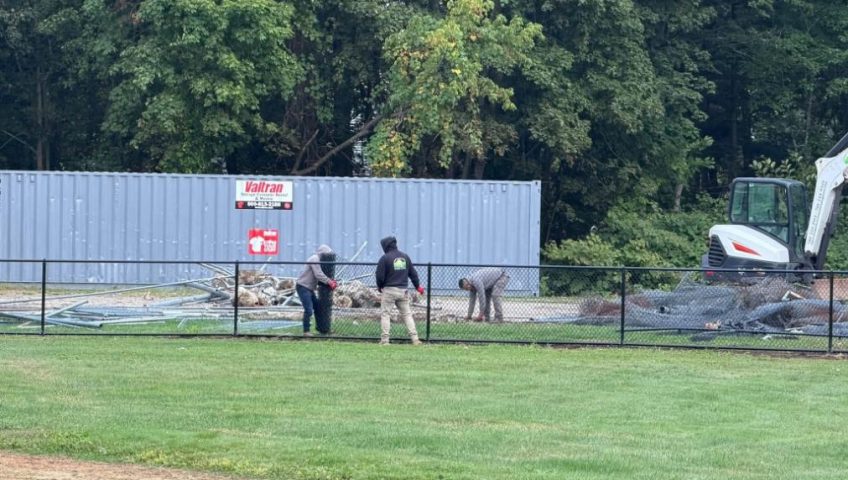
A properly planned sports field fence helps define playing areas, manage access, and maintain visibility around outdoor recreational spaces. Choosing the right chain link fencing system requires more than selecting materials. Field layout, gate placement, ground conditions, and the intended use of the space all deserve attention before installation begins.
Why Sports Fields Need Proper Perimeter Fencing
Sports facilities need fencing that supports everyday activities without unnecessarily blocking visibility or restricting movement. A well-designed perimeter helps separate the playing area from surrounding walkways, public spaces, and adjacent property.
Chain link fencing is a practical option for many outdoor sports environments because its open mesh design maintains sightlines while establishing a defined boundary. The right configuration depends on the type of sport, the layout of the property, and the facility’s access requirements.
New Generation Landscaping & Fence provides fencing and outdoor installation services in Peabody, MA, and surrounding Massachusetts communities.
What Makes a Good Sports Field Fence?
An effective sports field fence combines an appropriate fence height, durable chain link materials, correctly positioned gates, stable supporting posts, and a layout that matches the facility’s daily use. Each element should be planned according to the specific site and its intended activities.
1. Plan the Field Boundary Before Installation
The first step in any sports field fencing project is establishing the correct perimeter. Before installing posts or connecting fence sections, the entire property should be evaluated to determine where the boundary needs to run.
Consider the following areas when preparing the layout:
- Playing surfaces and designated activity zones.
- Pedestrian walkways and spectator areas.
- Equipment storage and maintenance access.
- Adjacent landscaping and property boundaries.
- Corners, entrances, and changes in ground elevation.
A clear layout helps prevent unnecessary adjustments during construction. It also makes it easier to coordinate the fence with other site features and circulation routes.
2. Choose the Appropriate Fence Height and Mesh
Not every part of a sports facility requires the same fencing configuration. A standard perimeter may serve a different purpose from a section positioned behind a goal or beside a high-activity playing area.
When selecting the chain link system, consider:
- Type of sport and expected ball movement.
- Required separation between activity areas.
- Mesh opening and wire specifications.
- Fence height requirements for the intended application.
- Applicable local requirements and project specifications.
Selecting these specifications before installation helps create a consistent fencing plan that serves the actual needs of the facility.
3. Position Gates for Convenient Access
Gates are an important part of sports field perimeter fencing. Players, coaches, maintenance personnel, and equipment operators may all need different types of access throughout the day.
A practical gate layout should account for:
Pedestrian Gates
Convenient entry and exit points for everyday visitors and facility users.
Equipment Access
Wider access openings where groundskeeping or maintenance equipment needs to pass.
Gate Hardware
Suitable hinges, latches, and locking arrangements for the intended use.
Gate locations should also be coordinated with walkways and surrounding structures so that open gates do not interfere with normal movement.
4. Evaluate Ground Conditions and Post Placement
The condition of the ground plays an important role in fence installation. Sports fields may have different soil conditions, slopes, drainage patterns, and surface elevations along the same perimeter.
Before setting fence posts, evaluate:
- Uneven ground and changes in elevation.
- Soft or waterlogged soil.
- Existing drainage routes.
- Post alignment and planned spacing.
- Foundation requirements for corners and gate locations.
Proper site preparation allows installers to follow an appropriate layout and supporting system. Post depth, spacing, and foundation dimensions should be determined according to the selected fence specifications and site conditions.
5. Select a Suitable Chain Link Fence Finish
The finish of a chain link fence affects its appearance and maintenance requirements. Galvanized and vinyl-coated fencing are two options worth considering for outdoor sports facilities.
The best selection depends on the facility’s environment, appearance preferences, maintenance expectations, and project budget.
Explore the available chain link fence installation options to understand which configuration may be suitable for your property.
6. Complete Site Preparation Before Construction
Proper preparation helps keep the fencing project organized from the beginning. Before excavation and installation, the site should be reviewed to identify potential obstacles and project requirements.
Pre-Installation Checklist
- Confirm property boundaries and fence measurements.
- Identify underground utility locations before digging.
- Check applicable permits and local installation requirements.
- Clear the planned fence line of obstructions.
- Confirm gate locations and equipment access.
- Review material quantities and installation specifications.
- Coordinate drainage and ground preparation requirements.
Completing these checks before construction can reduce avoidable delays and help installers follow the approved project layout.
Important Considerations for Sports Field Fencing
Why Professional Planning Matters
Sports field fencing involves multiple installation considerations that need to work together. A properly coordinated plan helps maintain consistent fence alignment, appropriate access points, and a layout suited to the facility.
Working with an experienced fencing contractor can also help property owners evaluate material options, site conditions, and installation requirements before construction begins.
The goal is to create a practical perimeter fencing system that supports the activities taking place on the property while fitting the surrounding outdoor environment.
Frequently Asked Questions
Common questions about sports field chain link fence installation.
1. Is chain link fencing suitable for sports fields?
Yes. Chain link fencing is commonly considered for sports fields because it provides a defined boundary while maintaining visibility. Its suitability depends on the sport, site layout, and required fence specifications.
2. How high should a sports field chain link fence be?
Fence height depends on the type of sport, ball containment needs, facility layout, and local requirements. A suitable height should be selected after evaluating the intended use of each fenced area.
3. Should all sections of a sports field fence have the same height?
Not necessarily. Different areas may have different ball-containment, access, or separation requirements. The final configuration should follow the approved sports facility layout and project specifications.
4. What affects the cost of sports field fence installation?
The project cost can depend on fence length, material selection, fence height, gate quantity, terrain, excavation requirements, and installation complexity. A site assessment helps determine the project-specific requirements.
5. What preparation is needed before installing a sports field fence?
Preparation generally includes checking property boundaries, measuring the fence line, identifying underground utilities, reviewing soil and drainage conditions, and planning gate locations.
Planning a Sports Field Fencing Project?
Every outdoor sports facility has different layout, access, and fencing requirements. New Generation Landscaping & Fence offers sports field design and installation services in Massachusetts. Explore the available services to learn more about planning your next outdoor project.
