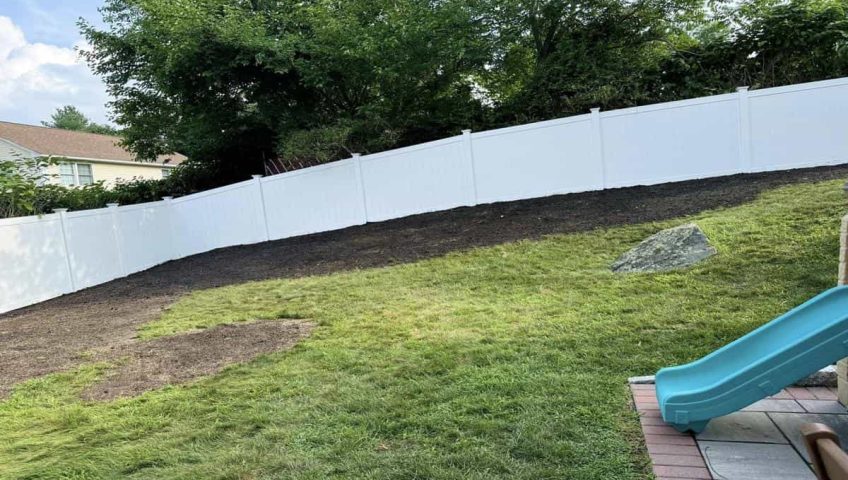
Fence installation and repair are not just about materials and design. Timing plays a major role in durability, cost efficiency, and long term performance. Many homeowners focus only on price or appearance but ignore seasonal factors such as soil condition, temperature changes, moisture levels, and contractor availability. These overlooked details often lead to premature fence damage, higher maintenance costs, or delayed installation projects. This guide explains the best times of year to install or repair a fence while covering gaps that most competitor articles fail to discuss such as soil movement, frost line effects, and seasonal contractor scheduling advantages.
Why Seasonal Timing Matters for Fence Installation
Season affects how well fence posts settle into the ground and how materials react after installation. Soil expands and contracts depending on moisture and temperature. If a fence is installed during poor soil conditions, posts may shift, lean, or weaken over time. Wood can warp in extreme moisture while metal components may expand or contract under temperature stress. Professional contractors often recommend installation windows based on local climate patterns rather than calendar convenience. Homeowners planning new Fences or repairs should consider long term structural stability rather than only short term scheduling convenience.
Another important factor is contractor demand. Many property owners schedule installations during spring and summer, which increases labor costs and scheduling delays. Planning installation during lower demand seasons can often reduce overall project costs while still achieving excellent installation quality.
Best Seasons for Fence Installation and Repair
Each season has advantages and disadvantages. Understanding these helps homeowners plan projects strategically.
| Season | Installation Advantage | Potential Challenges | Best For |
|---|---|---|---|
| Spring | Moderate soil moisture, good working temperatures | High contractor demand, possible rain delays | General fence installation and upgrades |
| Summer | Dry soil improves post stability | Extreme heat may affect workers and some materials | Large residential and commercial fence projects |
| Fall | Stable soil conditions, lower contractor demand | Shorter daylight hours | Cost effective installations and repairs |
| Winter | Lowest contractor demand, possible discounts | Frozen ground makes digging difficult | Emergency repairs and planning projects |
Fall is often considered the most balanced season for fence installation because soil remains workable while contractor availability improves. Spring is also popular but may involve longer wait times. Winter installation is possible in some climates but usually depends on ground frost levels and snow conditions. For property owners who also require Snow Removal or Landscaping adjustments, coordinating services can improve overall property maintenance planning.
Seasonal Fence Repair Considerations
Fence repair timing is different from installation timing. Repairs should be performed as soon as structural damage appears regardless of season. Delaying repairs can allow small problems such as loose posts or rust spots to develop into major structural failures. Winter storm damage, summer heat expansion cracks, and spring moisture rot are common seasonal repair issues.
Property owners should inspect fences after major weather events. This is especially important for metal fencing and Gates and Enclosures where hinge alignment and structural tension directly affect security performance. Regular seasonal inspections reduce long term maintenance costs and improve fence lifespan significantly.
Cost Benefits of Seasonal Planning
Most homeowners do not realize that seasonal timing can reduce project costs. Labor rates may fluctuate depending on contractor demand. Material costs can also change depending on supply chain demand during peak construction seasons. Planning fence installation during late fall or early winter may reduce overall project cost while still ensuring high quality installation. Homeowners planning major property improvements such as Driveways or Renovation projects may benefit from scheduling fencing during lower demand seasons to optimize total project budget.
How Weather Impacts Different Fence Materials
Different materials respond differently to seasonal weather. Wood expands with moisture and contracts during dry seasons, which may cause cracking or warping if installed during extreme weather. Vinyl performs well in most conditions but may become brittle in extreme cold. Metal fences perform well year round but may require rust protection in humid environments. Composite fencing offers strong weather resistance but requires proper ground preparation for maximum lifespan.
Property owners planning Metal Fence Installation Services in Waltham or similar climate areas should consider temperature fluctuations and ground frost depth to ensure post stability and long term performance.
When to Hire Professional Fence Services
Fence installation requires precise measurement, post depth accuracy, and soil condition assessment. Professional contractors evaluate drainage patterns, property slope, and local building codes before installation. Property owners who want long lasting results often work with experienced providers such as Juarez Landscaping and Tree Services for professional fence installation and repair solutions.
Homeowners considering new Fences, Landscaping improvements, or Gardening upgrades often complete these projects together to ensure cohesive outdoor design. Property owners who want professional service support can contact Juarez Landscaping and Tree Services for seasonal planning and installation scheduling. The company also supports related outdoor services including Weeding and General property maintenance support. Juarez Landscaping and Tree Services can help customers choose the right installation season based on property location and soil conditions.
Signs You Should Repair or Replace Your Fence Immediately
Visible leaning posts indicate soil instability or post rot. Rust spreading across metal fence joints weakens structural integrity. Wood splitting or insect damage reduces strength and security. Gate misalignment affects security and daily usability. If these issues appear, repair should not be delayed regardless of season.
FAQ About Seasonal Fence Installation
What is the cheapest time of year to install a fence?
Late fall and early winter often provide lower labor costs due to reduced contractor demand.
Can fences be installed in winter?
Yes, in many regions fences can be installed in winter, but frozen ground may require specialized equipment and extra planning.
Is spring or fall better for fence installation?
Fall usually provides the best balance of soil stability and contractor availability.
Does weather really affect fence lifespan?
Yes, temperature and moisture directly impact material expansion, contraction, and post stability.
How often should fences be inspected?
At least twice per year and after major storms or seasonal weather changes.
References
United States Department of Agriculture Soil and Ground Condition Resources
Federal Emergency Management Agency Outdoor Structure Safety Guidelines
