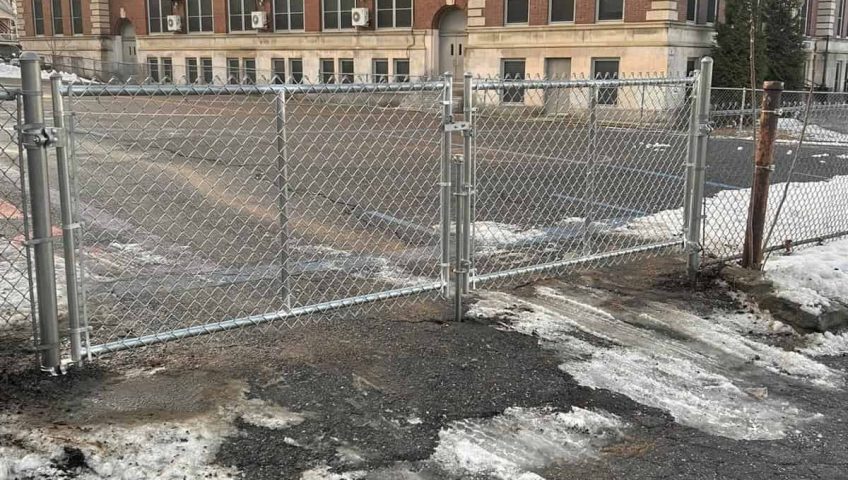
Building a fence without concrete is becoming increasingly popular among homeowners who want flexibility, easier repairs, and better drainage. While concrete has traditionally been used to secure fence posts, it is not always the best solution. In certain soil conditions, concrete can trap moisture around wood posts and accelerate rot. It can also make future fence repairs more complicated and expensive. This guide explains how to build a strong, stable fence without concrete while addressing common mistakes and overlooked details that many online guides fail to mention.
Homeowners planning new Fences or upgrading their Landscaping often prefer gravel based installation because it allows natural drainage and easier post replacement. When done correctly, a fence installed without concrete can last just as long as traditional installations.
Why Avoid Concrete for Fence Posts
Concrete creates a rigid base, but it does not allow natural ground movement. Soil expands and contracts during seasonal changes. When posts are locked in concrete, this movement can lead to cracks or leaning. Gravel, on the other hand, allows slight movement while maintaining stability. It improves drainage and reduces moisture buildup around wooden posts.
Another benefit is repair flexibility. If a post becomes damaged, removing a gravel set post is much easier than breaking out hardened concrete. This is especially helpful for homeowners managing Driveways, Gates and Enclosures, or larger backyard projects where future modifications may be needed.
Best Fence Types for No Concrete Installation
Not every fence type is ideal for non concrete installation. Lightweight to medium weight fences perform best. Wood privacy fences, vinyl panel fences, and some metal fence systems can be installed securely using gravel and proper compaction methods.
Heavy masonry or extremely tall privacy fences may still require concrete footings depending on local building codes. Before beginning installation, always verify local regulations regarding fence height and structural requirements.
Tools and Materials Needed
Proper preparation ensures long term stability. Below is a simple comparison table outlining recommended materials.
| Material or Tool | Purpose | Why It Matters |
|---|---|---|
| Gravel | Post base support | Improves drainage and prevents rot |
| Post Hole Digger | Digging holes | Ensures proper depth and width |
| Level | Post alignment | Keeps fence straight and stable |
| Tamper Tool | Compact gravel | Creates strong foundation without concrete |
| Pressure Treated Posts | Main structural support | Resists moisture and insects |
Step by Step Fence Installation Without Concrete
The first step is marking your fence line accurately. Use stakes and string to outline the boundary. Measure post spacing carefully to ensure even panel alignment. Most residential fences require posts spaced six to eight feet apart depending on material type.
Next, dig post holes to an appropriate depth. A general rule is that one third of the post length should be underground. For a six foot fence, the hole should be approximately two feet deep. Proper depth improves wind resistance and structural integrity.
Add several inches of gravel to the bottom of each hole before placing the post. This base layer improves drainage and reduces direct soil contact. Position the post vertically and use a level to ensure it is straight from multiple angles.
Fill the hole with gravel in layers of three to four inches. After each layer, compact the gravel firmly using a tamper tool. This step is often overlooked, but proper compaction is what provides strength comparable to concrete installation.
Continue filling and compacting until the hole is full and the post remains stable when pressure is applied. Check alignment again before moving to the next post.
Once all posts are installed and secured, attach horizontal rails followed by fence panels or pickets. Always confirm that posts remain level throughout the process. For projects involving Gates and Enclosures, reinforce gate posts slightly deeper for additional stability.
Important Factors Many Homeowners Forget
Drainage is critical. Poor drainage leads to soil erosion around posts, weakening the structure. Consider slope direction and water flow before installation. In colder climates, frost line depth must be considered to prevent ground heaving.
Soil type also affects stability. Sandy soil drains well but may require wider holes for better compaction. Clay soil holds moisture and may require extra gravel for proper drainage. Ignoring soil type is one of the most common installation mistakes.
Maintenance Tips for Gravel Set Fence Posts
Inspect posts at least twice per year. Check for movement after heavy storms. If slight shifting occurs, additional gravel can be compacted around the base. Regular inspections help extend fence lifespan and prevent costly repairs.
Homeowners who prefer professional installation or want guaranteed long term durability can contact New Generation Landscaping & Fence for expert fence installation and repair services. The company provides customized solutions for residential properties and ensures compliance with local building requirements. For homeowners planning complete outdoor upgrades, combining fencing with professional Landscaping services creates a cohesive property design. New Generation Landscaping & Fence also assists with replacement and repair of damaged posts and panels.
When Should You Still Use Concrete
Concrete may still be recommended for extremely tall fences, high wind areas, or commercial properties requiring enhanced structural support. Always evaluate environmental conditions before deciding on installation method.
Frequently Asked Questions
Is gravel strong enough to hold fence posts securely?
Yes when installed correctly with proper depth and layered compaction, gravel can provide excellent stability and drainage while reducing moisture damage.
How deep should fence posts be without concrete?
Generally one third of the post length should be underground, typically about two feet for a six foot fence.
Does building without concrete reduce fence lifespan?
Not necessarily. In many cases improved drainage actually extends the life of wooden posts.
Can I install gates without concrete footings?
Yes but gate posts should be set slightly deeper and compacted thoroughly to handle additional weight and movement.
Is professional installation better than DIY?
Professional installation ensures proper depth, soil evaluation, and alignment. New Generation Landscaping & Fence offers expert services for homeowners seeking long term durability and structural precision.
References
United States Department of Agriculture Soil Management Guidelines
Federal Emergency Management Agency Outdoor Structure Safety Recommendations
