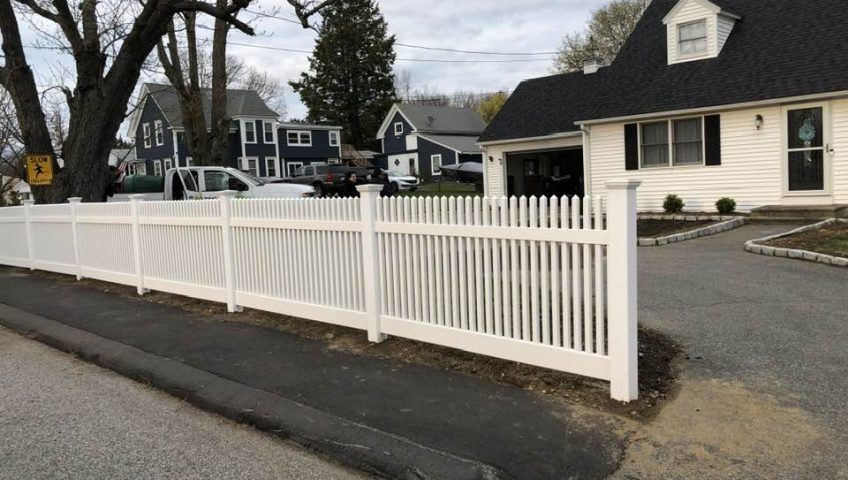
Installing a fence may look simple, but many homeowners make costly mistakes that lead to repairs, replacements, or even legal issues. Whether you are planning a DIY project or hiring a professional for Fence Installation Massachusetts, understanding the most common fence installation mistakes can save you time, money, and stress. At New Generation Landscaping & Fence, we often fix poorly installed fences, and most problems come from simple mistakes that could have been avoided with proper planning and knowledge.
Not Checking Property Lines Before Installation
One of the biggest mistakes homeowners make is installing a fence without confirming property boundaries. Installing a fence on your neighbor’s property can lead to disputes, legal issues, and even having to remove the fence. Always check your property survey or hire a professional surveyor before starting installation to ensure your fence is placed correctly.
Ignoring Local Permits and Regulations
Many areas have local zoning laws and permit requirements for fence height, material, and placement. Skipping permits can result in fines or being forced to remove the fence. Always check local regulations and HOA rules before starting your fence project to avoid legal trouble later.
Choosing the Wrong Fence Material
Not all fences are suitable for every climate or purpose. For example, wood fences may rot in wet climates, while vinyl fences are more durable and low maintenance. Choosing the wrong material can lead to higher maintenance costs and a shorter fence lifespan.
Improper Post Installation
Fence posts are the foundation of any fence. If the posts are not installed deep enough or secured properly with concrete, the fence may lean or collapse over time. Posts should typically be installed at least 2 to 3 feet deep depending on fence height and soil condition.
Incorrect Post Spacing
Incorrect spacing between fence posts can cause fence panels to sag or become unstable. Proper spacing ensures structural stability and improves the overall appearance of the fence.
Here is a quick reference table for proper fence post spacing:
| Fence Type | Recommended Post Spacing |
| Wood Fence | 6 – 8 feet |
| Vinyl Fence | 6 – 8 feet |
| Metal Fence | 6 – 10 feet |
Not Considering the Slope of the Yard
If your yard is uneven or sloped, installing a fence without adjusting for the slope will create gaps under the fence or uneven panels. This is especially important for pet owners who need a secure fence with no gaps.
Using Low Quality Materials
Trying to save money by using low quality materials often leads to higher costs later due to repairs and replacements. Investing in quality materials ensures your fence lasts longer and requires less maintenance.
Not Installing a Proper Gate
Many people focus on the fence but forget the importance of a properly installed gate. A poorly installed gate may sag, not close properly, or become misaligned over time.
Failing to Call Utility Companies
Before digging post holes, always call utility companies to mark underground lines. Hitting a gas, water, or electrical line can be dangerous and expensive to repair.
DIY Without Proper Planning
DIY fence installation can save money, but without proper planning, tools, and measurements, mistakes are very common. Hiring professionals ensures the fence is installed correctly, safely, and according to local codes. If you are planning vinyl fences, metal fences, or landscaping improvements, working with professionals can help you avoid costly mistakes and ensure long lasting results.
Conclusion
Fence installation is a valuable investment that improves privacy, security, and property value. However, simple mistakes like wrong post spacing, ignoring permits, or choosing the wrong materials can turn your project into an expensive problem. By planning carefully, using quality materials, and following proper installation techniques, you can ensure your fence lasts for many years. If you want a professional and reliable installation, New Generation Landscaping & Fence provides expert fence and landscaping services to help homeowners get durable and beautiful results.
Frequently Asked Questions
How deep should fence posts be installed?
Fence posts should generally be installed 2 to 3 feet deep in the ground and secured with concrete for stability. The exact depth depends on fence height and soil condition.
Do I need a permit to install a fence?
In many areas, yes. Fence permits depend on fence height, location, and local regulations. Always check with your local municipality before installation.
What is the best fence material for low maintenance?
Vinyl fencing is considered one of the best low maintenance fence options because it does not rot, warp, or require painting like wood fences.
How long does fence installation take?
Most residential fence installations take 1 to 3 days depending on the size of the project, terrain, and fence type.
Should I install a fence myself or hire a professional?
DIY is possible for small projects, but hiring a professional ensures proper installation, correct post depth, and compliance with local regulations, which saves money long term.
