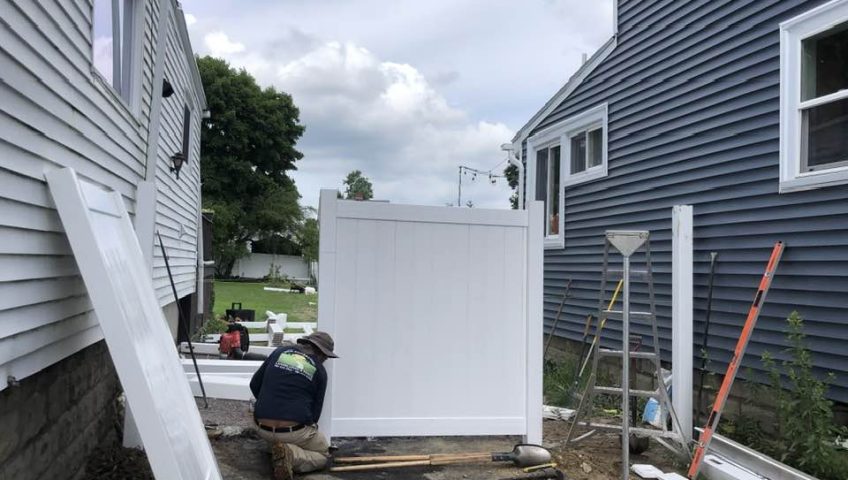
Installing a fence on a sloped or uneven yard may seem challenging, but with the right planning and techniques it can be done effectively. Many homeowners planning a project such as Fence Installation Massachusetts often discover that their yard is not perfectly level. Uneven terrain can create gaps under the fence or misaligned panels if not handled correctly. At New Generation Landscaping & Fence, we regularly help homeowners design and install fencing that fits naturally with the landscape while maintaining strength and visual appeal.
Whether you are installing vinyl fences, metal fences, or another fencing style, understanding the correct installation methods is the key to a professional looking result. Below is a complete guide explaining how fences are installed on sloped yards and how you can avoid common mistakes.
Understanding the Challenges of Sloped Yards
A sloped yard creates several challenges when installing fencing. The ground level changes gradually or sharply, which can cause fence panels to tilt or leave gaps underneath. This is not only unattractive but can also reduce privacy and allow pets or wildlife to pass through.
Another issue is maintaining consistent fence height. When panels follow the slope incorrectly, the top line of the fence may look uneven. Proper planning helps maintain a clean and uniform appearance while ensuring structural stability.
Before beginning installation, measure the slope carefully and determine how steep the grade is. This will help you decide which installation method works best.
Two Common Fence Installation Methods for Slopes
There are two main techniques used by professionals when installing fences on uneven ground. Each method works best depending on the slope of the yard and the type of fence being installed.
| Installation Method | Best For | Key Advantages |
|---|---|---|
| Stepped Fence Method | Steep slopes | Creates a staircase appearance while keeping panels level |
| Racked Fence Method | Gradual slopes | Fence follows the ground contour for a smooth appearance |
Stepped Fence Installation
The stepped method installs each fence panel horizontally while stepping down the slope. Each section drops slightly lower than the previous one, creating a staircase effect.
This method works well with pre assembled panels such as vinyl fences or metal fences that cannot bend to match the slope. The advantage is that the panels remain perfectly square and structurally strong. However, small gaps may appear beneath the panels if the slope is very steep.
Racked Fence Installation
The racked method allows the fence panel to follow the natural angle of the ground. Instead of remaining perfectly level, the panel adjusts to the slope.
This technique is often used with flexible materials or custom built fences. It provides a smoother appearance because the fence flows with the landscape. It also reduces gaps under the fence.
Tools and Materials Needed
Before starting the installation process, gather the proper tools and materials. Preparation will save time and help ensure accurate placement.
Typical tools include post hole diggers, a level, measuring tape, string line, concrete mix, and power drills. Depending on the project, materials may include fence posts, rails, panels, and fasteners.
If the slope is significant, adjustable brackets or custom panels may be required to ensure the fence aligns properly with the terrain.
Step by Step Fence Installation Process
Begin by marking the fence line using stakes and string. This line should follow the desired fence layout across the yard. Measure the slope between each post location to determine whether the stepped or racked method is more appropriate.
Next, dig post holes along the marked line. Holes should be deep enough to support the posts securely, typically about one third of the post height. Place the posts into the holes and set them with concrete, ensuring they remain aligned with the fence layout.
After the concrete has cured, install the fence panels or rails according to your chosen method. For stepped installations, each panel remains level but is mounted slightly lower than the previous one. For racked installations, panels are angled slightly to match the ground slope.
Finally, check the entire fence line for consistency and make any necessary adjustments before securing all hardware.
Design Tips for a Professional Looking Fence
Maintaining visual balance is important when building a fence on uneven terrain. One effective approach is to keep the top of the fence consistent while adjusting the bottom to follow the ground. This helps maintain a clean and uniform appearance.
Choosing the right fence material also plays a role. Vinyl fences are popular for sloped yards because they resist moisture and require minimal maintenance. Metal fences are another strong option that can adapt well to varying terrain.
Landscaping around the fence can also improve the final look. Services such as Landscape Design and Installation or Sod Installation can help blend the fence naturally with the surrounding yard.
When to Hire Professional Fence Installers
While many homeowners attempt DIY fence installation, sloped yards often require precise measurements and advanced installation techniques. Hiring professionals can save time and prevent costly mistakes.
Experienced installers understand how to work with uneven terrain, ensure proper drainage, and maintain long term structural stability. If you are planning a project involving fences or landscaping improvements, professional guidance can make a significant difference.
Homeowners who want a durable and visually appealing fence can also consult New Generation Landscaping & Fence for professional installation services and customized fencing solutions tailored to the property.
Conclusion
Installing a fence on a sloped or uneven yard requires careful planning, the right installation method, and attention to detail. By understanding the differences between stepped and racked fence designs, homeowners can choose the best approach for their landscape.
With proper measurements, strong materials, and accurate installation techniques, a fence can enhance privacy, security, and curb appeal even on challenging terrain. Whether you are installing vinyl fences, metal fences, or other fencing styles, following these guidelines will help ensure a successful and long lasting result.
Frequently Asked Questions
What is the best fence type for a sloped yard
Vinyl fences and metal fences are among the best options for sloped yards because they offer durability and can adapt well to stepped or racked installation methods.
Is it difficult to install a fence on uneven ground
Fence installation on uneven ground can be more complex than on flat terrain. Accurate measurements, proper post placement, and choosing the correct installation method are essential for success.
Should a fence follow the slope of the ground
This depends on the slope. Gentle slopes usually work best with the racked method so the fence follows the ground. Steeper slopes are typically better suited to the stepped method.
How deep should fence posts be on a slope
Fence posts should generally be buried about one third of their total length. Deeper installation may be required on slopes to ensure stability.
