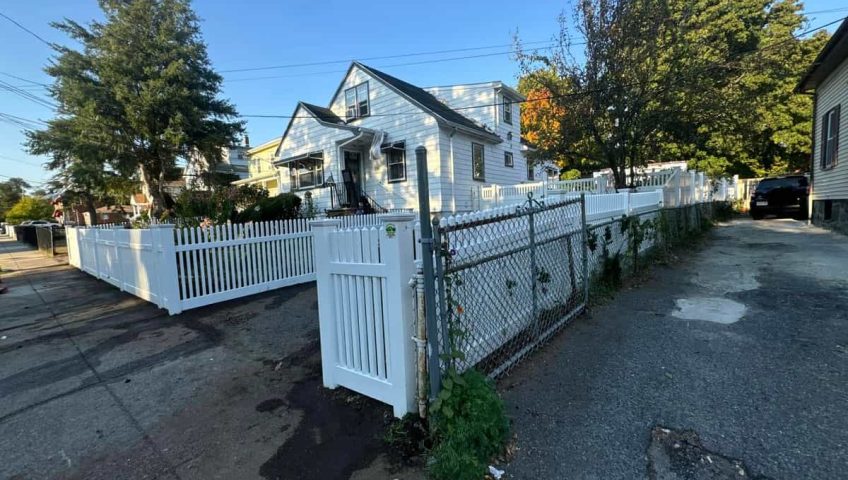
Installing a fence may look simple at first glance, but even small mistakes can lead to costly repairs, legal complications, and structural failure. Whether you are planning a DIY project or hiring professionals, understanding common fence installation errors can save time, money, and frustration. Many property owners rush into the process without proper planning, which often results in unstable posts, uneven panels, drainage issues, or disputes with neighbors.
At New Generation Landscaping & Fence, we have seen firsthand how minor oversights can turn into major problems. This guide explains the most common fence installation mistakes and how to avoid them, helping you build a fence that is both functional and long lasting.
Poor Planning and Incorrect Property Line Measurement
One of the biggest mistakes homeowners make is installing a fence without confirming property boundaries. Guessing the property line or relying on outdated markers can lead to disputes and even legal action. Before starting any fence project, always review your property survey and, if necessary, hire a professional surveyor to confirm boundaries.
In addition, check local zoning laws and HOA regulations. Many municipalities have height restrictions, setback requirements, and permit rules. Skipping this step can result in fines or forced removal of the fence. Proper planning ensures that your fence installation project starts on solid legal ground.
Choosing the Wrong Materials for Your Climate
Not all fencing materials perform equally in every environment. Selecting materials based only on appearance or cost often leads to premature wear and structural damage. For example, untreated wood can rot quickly in humid climates, while certain metals may rust in coastal areas.
Below is a helpful comparison of common fencing materials and considerations.
| Material | Advantages | Common Mistakes | Best Practice |
|---|---|---|---|
| Wood Fence | Natural look, customizable | No sealing or staining | Use pressure treated wood and regular maintenance |
| Vinyl Fence | Low maintenance, durable | Poor post anchoring | Ensure deep and secure post installation |
| Chain Link Fence | Affordable, strong | Improper tensioning | Professional installation for tight structure |
| Metal Fence | High security, elegant | No rust protection | Apply protective coating and proper drainage |
Choosing the right material for your specific environment increases the lifespan of your investment and reduces long term maintenance costs.
Incorrect Post Installation Depth
Fence posts are the foundation of your fence. One of the most frequent mistakes in DIY fence installation is not digging post holes deep enough. Shallow posts lead to leaning fences, especially after strong winds or seasonal ground movement.
As a general rule, fence posts should be buried at least one third of their total height. In colder climates, posts must extend below the frost line to prevent heaving during winter. Additionally, using the correct amount of concrete and ensuring proper curing time are critical steps many people overlook.
When installing posts, always check alignment and level before the concrete sets. A small alignment error at the beginning can create visible unevenness across the entire fence line.
Ignoring Drainage and Soil Conditions
Soil type plays a major role in fence stability. Sandy soil may shift over time, while clay soil expands and contracts with moisture changes. Failing to account for soil conditions often results in loose or tilted posts.
Proper drainage around the fence line prevents water accumulation that can weaken posts and accelerate rot or corrosion. Adding gravel at the base of post holes improves drainage and enhances stability. Considering soil and drainage factors during planning significantly improves fence durability.
Uneven Fence Panels and Poor Alignment
Visual appeal is just as important as structural strength. Uneven panels, inconsistent spacing, and crooked lines are common signs of rushed installation. Many installers fail to use string lines or laser levels to maintain straight alignment.
To avoid this, mark your fence line clearly and measure carefully before installing panels. Take time to ensure consistent spacing between pickets and uniform panel height. A professional finish not only enhances curb appeal but also adds value to your property.
Overlooking Gate Installation Details
Gates require extra attention because they experience frequent movement and stress. A common mistake is using the same type of posts for gates as for regular panels. Gates need reinforced posts and heavy duty hinges to prevent sagging over time.
Improper latch placement and inadequate clearance can also cause operational issues. Ensuring precise measurements and using quality hardware will keep your gate functional for years.
Skipping Maintenance Planning
Many homeowners believe that once a fence is installed, the job is done. However, ongoing maintenance is essential. Wood fences need sealing or staining, metal fences may require rust inspection, and even vinyl fences should be cleaned periodically.
Planning for maintenance from the beginning helps extend the life of your fence. Investing in professional fence maintenance services can prevent small issues from becoming expensive repairs.
Benefits of Professional Fence Installation
While DIY projects can be rewarding, professional installation offers significant advantages. Experienced contractors understand soil conditions, local regulations, and proper installation techniques. They also use professional grade tools that ensure precision and durability.
New Generation Landscaping & Fence provides expert guidance from material selection to final installation. Our team ensures accurate measurements, secure post setting, and high quality finishing. Hiring professionals reduces the risk of mistakes and guarantees long term performance.
Frequently Asked Questions
How deep should fence posts be installed?
Fence posts should generally be buried at least one third of their total height. In colder regions, they must extend below the frost line to prevent movement caused by freezing and thawing cycles.
Do I need a permit to install a fence?
Permit requirements vary by location. Many cities require permits depending on fence height and placement. Always check with your local municipality before starting installation.
What is the most durable fencing material?
Durability depends on climate and purpose. Vinyl and metal fences are highly durable with low maintenance, while properly treated wood fences can also last many years with regular care.
How can I prevent my fence from leaning?
Proper post depth, adequate concrete support, and good drainage are essential. Regular inspection and timely maintenance also help prevent structural issues.
Final Thoughts
Fence installation requires careful planning, accurate measurements, and the right materials. Avoiding common mistakes such as improper post depth, poor alignment, and ignoring local regulations can save you from expensive corrections later. Whether you are considering a wood fence installation, vinyl fence installation, or chain link fence installation, taking the time to do it correctly ensures long lasting results.
If you want professional support for your next fencing project, New Generation Landscaping & Fence is ready to help. Our experienced team delivers reliable craftsmanship and tailored solutions that protect and enhance your property. Investing in expert installation today means enjoying a secure, beautiful fence for years to come.
